
Women’s League of Burma Urges International Support for Locally Led Women, Peace, and Security Initiatives

A representative of the Women's League of Burma (WLB) called on the international community to bolster support for locally led Women, Peace, and Security (WPS) initiatives during side events of the 81st session of the United Nations General Assembly in New York.
Addressing delegates on October 26 on behalf of the coalition, Naw Hser Hser, WLB's Advocacy Team Leader, stressed that while global WPS frameworks exist under UN Security Council Resolution 1325, their implementation remains severely hindered in conflict-torn Myanmar.
"First, women's organizations need sustained, long-term funding," Naw Hser Hser said. "Second, more opportunities must be created for women peacebuilders to participate directly in regional and international policy discussions. Finally, please support WPS initiatives led by local communities."
Since the 2021 military coup, women across Myanmar have faced escalating threats to their physical, psychological, economic, and political security, with conditions deteriorating most rapidly in rural and active conflict zones.
Although women make up over 65 percent of participants in federalism-focused organizations and community-based groups, WLB noted that entrenched social norms and gender stereotypes continue to limit their advancement into key leadership roles.
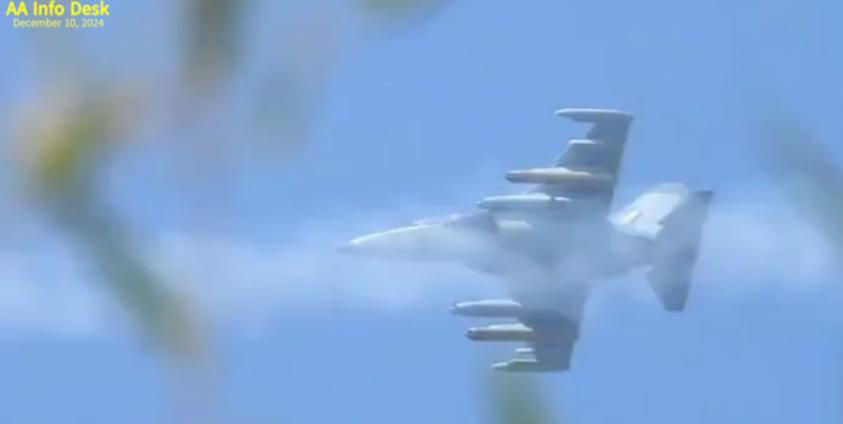
During the UN discussions—co-organized by the UN Department of Peace Operations (DPO), civil society networks, and international stakeholders—WLB highlighted critical regional issues, including widespread displacement caused by ongoing military airstrikes, the risks facing youth under the junta’s mandatory conscription law, and the urgent need for international action to block supply routes for weapons and aviation fuel.
Founded on December 9, 1999, along the Thai-Myanmar border, WLB is an umbrella organization comprising 13 ethnic women's groups, including the Karen Women's Organization (KWO).
The coalition advocates for an end to gender-based violence, documents conflict-related sexual assault, and pushes for transitional justice and accountability across Myanmar.


Comments