
Myanmar faces humanitarian crisis with millions displaced and critical aid shortage
- 11 hours ago
- 2 min read

Mizzima
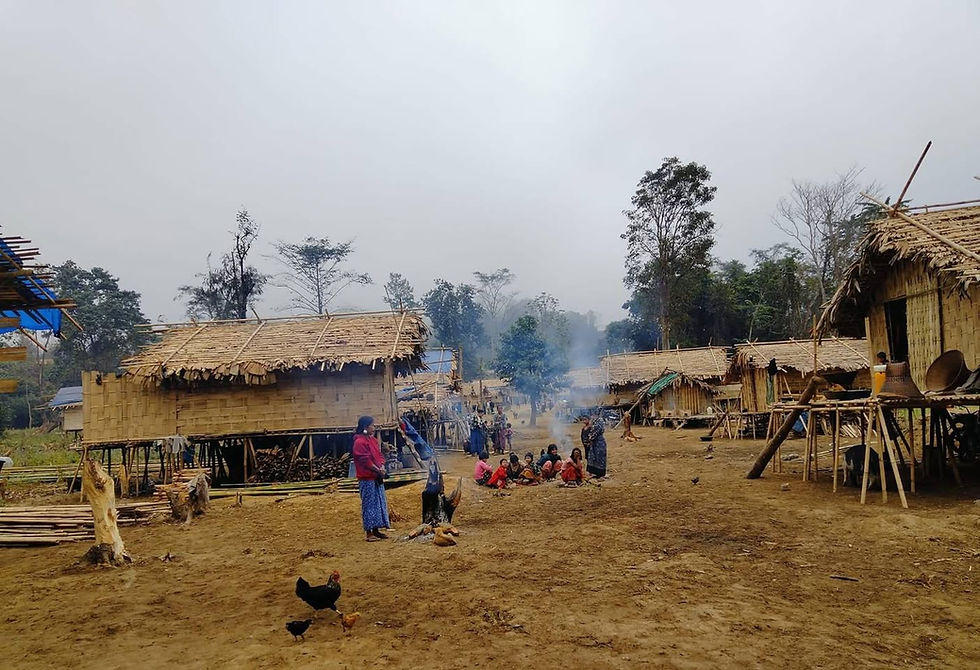
Nearly 3.8 million people are displaced across Myanmar and more than 16 million need humanitarian assistance, but international donors have funded less than half of this year’s aid appeal and relief agencies have reached only a third of the people they are trying to help, the United Nations said in a report released 13 July.
Myanmar has been mired in conflict and economic collapse since the military’s February 2021 coup, and the crisis has deepened further amid recent offensives, airstrikes and mass displacement across several regions, according to the UN Office for the Coordination of Humanitarian Affairs (OCHA), which issued the update.
The shortfall is stark against the need. Donors had provided just 43 per cent of the $890 million required for this year’s response as of the report’s release, OCHA said. Humanitarian partners reached only 1.6 million of the 4.9 million people targeted in the first quarter, and shelter assistance — among the most basic needs for people forced from their homes — reached just 110,000 people, or 3 percent of its annual target. Much of the aid that was delivered, OCHA said, was short-term or reduced in scale, leaving gaps even in areas partners could access.
Magway Region has been the hardest-hit area in recent months, with more than 100,000 people displaced since mid-May by intensified clashes, military operations, airstrikes and shelling across Myaing, Pakokku, Pauk and Saw townships — more than 80,000 of them from Pakokku Township alone. State media made no apparent mention of the displacement; when Mizzima checked the state-run Global New Light of Myanmar’s website the same week, its front page instead led with junta leader Min Aung Hlaing — who declared himself “president” in April — touring agricultural and education projects in the region.
Fighting has driven further displacement elsewhere. In Bago Region, an estimated 25,000 people fled around 30 villages in Okpho Township, where more than 80 houses were reportedly damaged or destroyed, and another 12,000 were displaced in Nattalin Township. In Kachin State, clashes and airstrikes in Shwegu Township displaced more than 10,000 people and caused civilian casualties. In Sagaing Region, fighting in Tamu Township displaced more than 2,200 people, including about 900 who crossed into India, where new border restrictions imposed 9 June left others stranded, too afraid to move toward nearby towns.
Fuel shortages linked to global market pressures and domestic supply constraints are compounding the crisis, OCHA said, with rationing and unstable power supplies disrupting health facilities, water systems and telecommunications in conflict-affected areas and driving up the cost of humanitarian operations.

Comments